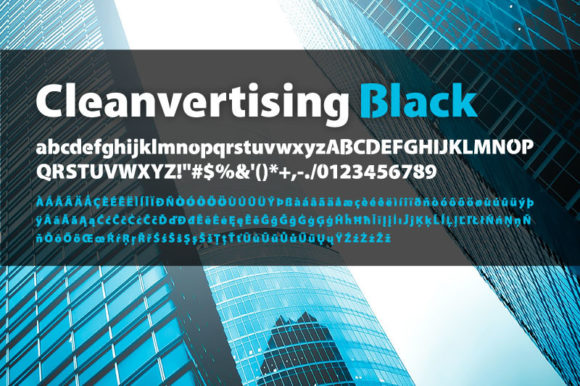
Cleanvertising: A Modern Font for Creative Workflows
Cleanvertising is more than just a font—it's a tool that can elevate the visual impact of your creative projects. With its modern yet whimsical style, this display font offers a unique balance between professionalism and personality. Whether you're designing a brand identity, crafting marketing materials, or working on a personal project, Cleanvertising can help you achieve a polished and distinctive look.
As a versatile typeface, Cleanvertising fits naturally into various stages of a workflow. From initial planning to final execution, it can be used to enhance clarity, consistency, and visual appeal across different mediums and formats.
Understanding Cleanvertising in the Creative Process
Cleanvertising is designed with the needs of creators in mind. Its clean lines and playful curves make it ideal for headlines, logos, and other visual elements that require both readability and character. This font works well in both digital and print environments, making it a valuable addition to any designer’s toolkit.
In the context of a broader creative process, Cleanvertising serves as a bridge between conceptual ideas and tangible outputs. It helps transform abstract concepts into visually engaging designs that resonate with audiences. Whether you're developing a new product, launching a campaign, or creating content for social media, this font can add a layer of sophistication and originality to your work.
Using Cleanvertising in Different Workflow Stages
Cleanvertising can be integrated at multiple points throughout a project lifecycle. During the planning phase, it can be used to draft mockups, create mood boards, or develop visual guidelines. Its flexibility allows it to adapt to different design styles while maintaining a cohesive aesthetic.
During the execution phase, Cleanvertising can be applied to final assets such as banners, posters, and web graphics. Its legibility ensures that messages remain clear and impactful, even at smaller sizes. For designers and marketers, this font provides a reliable option for creating eye-catching visuals without sacrificing readability.
After a project is completed, Cleanvertising can still play a role in long-term brand management. Consistent use of this font across all touchpoints helps reinforce brand identity and maintain a unified visual language. This is especially important for businesses looking to build recognition and trust over time.
Integration with Other Tools and Resources
Cleanvertising works seamlessly with a wide range of design software, including Adobe Photoshop, Illustrator, and InDesign. It is also compatible with online tools like Canva and Figma, making it accessible to users of all skill levels. These integrations allow for efficient workflow management and reduce the need for additional formatting or adjustments.
When combined with other fonts, Cleanvertising can create a balanced typographic hierarchy. Pairing it with a sans-serif or serif font can add depth and contrast to designs, making them more engaging and visually dynamic. This approach is particularly useful in editorial layouts, presentations, and user interface (UI) design.
Cleanvertising also complements other design elements such as color schemes, imagery, and layout structures. By aligning the font with these components, designers can create harmonious and professional-looking compositions that reflect their creative vision.
Practical Implementation Tips
To get the most out of Cleanvertising, consider the following tips:
- Use it strategically: Apply Cleanvertising to key elements such as headlines, titles, and call-to-action buttons where visual impact is most important.
- Maintain consistency: Stick to one or two font pairings to avoid clutter and ensure a clean, professional look across all materials.
- Test at different sizes: Ensure that the font remains readable and retains its character at various scales, especially when used in web or mobile contexts.
- Experiment with weights: Some versions of Cleanvertising may include different weights or styles. Use these variations to add emphasis or differentiate between sections of a design.
- Consider the audience: Choose a font that aligns with the tone and purpose of your project. Cleanvertising is best suited for modern, creative, or casual applications rather than formal or traditional settings.
Workflow Examples and Use Cases
For a marketing team, Cleanvertising can be used to design social media posts, email newsletters, and promotional banners. Its playful yet professional appearance makes it suitable for campaigns targeting younger demographics or creative industries.
For educators and content creators, this font can enhance the visual appeal of presentations, infographics, and learning materials. It adds a touch of creativity without overwhelming the content, making it ideal for educational or informative contexts.
Freelancers and small business owners can benefit from using Cleanvertising in branding efforts. Whether creating a logo, website, or business card, this font helps establish a memorable and distinctive identity that stands out in a competitive market.
Long-Term Considerations
When incorporating Cleanvertising into long-term projects, it's important to evaluate its compatibility with future design updates and platform changes. Ensuring that the font remains accessible and functional across different devices and operating systems can help maintain consistency and usability over time.
Additionally, consider the licensing terms associated with Cleanvertising. Make sure that the font is properly licensed for commercial or personal use, depending on your needs. This helps avoid legal issues and ensures that your work remains compliant and professional.
Finally, keep an eye on design trends and user feedback. While Cleanvertising has a modern feel, it's important to stay adaptable and open to new styles or alternatives that may better suit evolving project requirements or audience preferences.