Remix: The 3D Typeface That Elevates Your Designs
If you're looking for a typeface that adds depth, dimension, and visual impact to your work, Remix is the perfect choice. This 3D typeface isn't just another font—it's a design tool that can transform how your message is perceived. Whether you're working on branding, web design, or print materials, Remix offers a unique way to make your typography stand out.
What Makes Remix Stand Out?
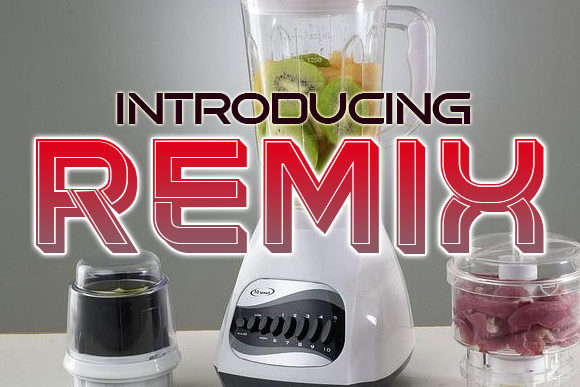
Unlike traditional fonts, Remix brings a three-dimensional quality to text, giving it a立体 (three-dimensional) look that can catch the eye instantly. This effect is especially effective when used in headings, logos, or promotional content where visual appeal is key. The font’s design allows for creative layering and shading, making it ideal for projects that require a modern, dynamic aesthetic.
Real-World Applications of Remix
One of the most practical uses of Remix is in branding. Companies looking to create a bold, memorable identity often turn to 3D typography to differentiate themselves from competitors. For example, a tech startup might use Remix in their logo to convey innovation and energy. The font’s sharp edges and layered appearance can help communicate a sense of forward-thinking and creativity.
In the world of web design, Remix can be used to highlight key sections of a site. Imagine a landing page with a headline in Remix that pops off the screen, drawing visitors’ attention and encouraging them to explore further. It works particularly well in portfolios, product pages, or any area where you want to emphasize a message or call to action.
Print designers also find value in Remix. Whether it's for a magazine cover, poster, or packaging, the font adds a tactile quality that can make printed materials more engaging. The 3D effect can create a sense of depth that makes the text feel more interactive, even on a flat surface.
Who Benefits from Using Remix?
Graphic designers are the obvious beneficiaries of Remix, but its versatility means it can be useful for a wide range of professionals. Marketers can use it to create eye-catching social media posts or advertisements that stand out in a crowded space. Educators or presenters might use it to make slides more visually interesting, helping to keep an audience engaged during a presentation.
Entrepreneurs launching new products or services can benefit from using Remix in their marketing collateral. A well-designed logo or tagline in this font can leave a lasting impression, reinforcing brand recognition. It’s also a great option for artists or creators who want to add a unique touch to their work, whether it's a personal website or a gallery display.
Considerations Before Using Remix
Before jumping into using Remix, it’s important to consider the context in which it will be applied. While the font is visually striking, it may not be suitable for all types of content. For instance, long blocks of text in Remix could be difficult to read, especially if the 3D effect is too pronounced. In such cases, it’s better to use the font for headlines or short phrases rather than body copy.
Another consideration is the platform or medium where the design will be displayed. Some digital platforms may not render 3D fonts as effectively as others, so testing the font across different devices and browsers is essential. Printers may also have specific requirements for handling 3D typography, so it’s wise to consult with them before finalizing a project.
Finally, while Remix is a powerful tool, it’s important to use it strategically. Overusing the font or applying it inappropriately can dilute its impact. A thoughtful approach—using it sparingly and purposefully—will ensure that it enhances rather than overwhelms the overall design.
Strengths and Limitations of Remix
One of the biggest strengths of Remix is its ability to add visual interest without requiring complex design skills. Even those with limited experience in typography can use the font to create professional-looking results. Its flexibility allows it to be used in a variety of styles, from sleek and modern to edgy and experimental.
However, there are some limitations to keep in mind. As mentioned earlier, readability can be an issue if the font is used incorrectly. Additionally, the 3D effect may not translate well in all formats, particularly when viewed on smaller screens or in low-resolution environments. Users should also be aware of licensing terms, as some fonts may require specific permissions for commercial use.
Despite these limitations, Remix remains a valuable asset for anyone looking to elevate their design work. Its combination of style and functionality makes it a go-to choice for a wide range of applications, from digital to print and everything in between.
How to Incorporate Remix Into Your Workflow
Getting started with Remix is straightforward. Most design software, including Adobe Photoshop, Illustrator, and Figma, supports 3D typefaces. Once installed, the font can be applied like any other, with the added benefit of customizable depth and shading options. Experimenting with different settings can help you achieve the desired look for your project.
For those new to 3D typography, it’s helpful to start with small projects before moving on to more complex designs. Testing the font in various contexts can help you understand how it performs and what adjustments may be needed. Online resources and tutorials can also provide guidance on best practices for using Remix effectively.
Ultimately, the key to successfully using Remix lies in understanding its strengths and knowing when and how to apply it. With the right approach, this 3D typeface can become a powerful tool in your design arsenal, helping you create visuals that are both striking and impactful.