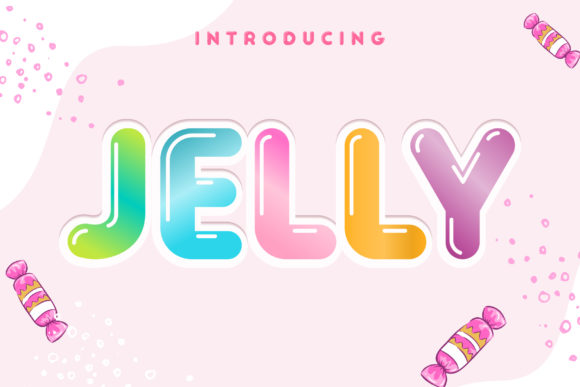
Jelly: A Versatile and Adorable Display Font for Creative Projects
When it comes to choosing the right font for a design project, the options can be overwhelming. However, for those looking to add a touch of playfulness and charm, Jelly is a standout choice. This display font is not only visually appealing but also incredibly functional across a wide range of applications. Whether you're working on packaging for food products or creating eye-catching marketing materials, Jelly offers a unique blend of cuteness and professionalism that can elevate your work.
Why Jelly Stands Out in the World of Fonts
Jelly is more than just a pretty font; it's a versatile tool that can adapt to various design needs. Its rounded, playful shapes make it ideal for projects that require a friendly and approachable aesthetic. Unlike more rigid or formal fonts, Jelly brings a sense of fun and creativity that can resonate with a broad audience. This makes it particularly useful in industries where visual appeal plays a significant role, such as food and beverage packaging, children's products, and promotional materials.
The font’s design elements are carefully crafted to maintain readability while still delivering an engaging visual experience. Even when used in larger sizes, Jelly retains its clarity, making it suitable for headlines, logos, and other prominent text placements. This balance between aesthetics and functionality is what sets Jelly apart from many other display fonts on the market.
Applications of Jelly in Modern Design Workflows
One of the most common uses for Jelly is in food product packaging. From snack wrappers to dairy containers, this font adds a whimsical touch that can catch the eye of consumers. For example, a yogurt brand might use Jelly to create a label that feels more inviting and less corporate. The font’s soft curves and gentle lines evoke a sense of comfort and familiarity, which can be especially beneficial for brands targeting younger demographics or families.
In addition to food packaging, Jelly is also effective in digital marketing campaigns. Social media posts, email newsletters, and website banners can all benefit from the font’s distinctive style. When used in conjunction with vibrant colors and dynamic layouts, Jelly can help create a cohesive and memorable brand identity. It’s particularly useful for businesses that want to convey a sense of innovation and creativity without sacrificing professionalism.
Another area where Jelly shines is in the creation of branded merchandise. T-shirts, mugs, and stickers featuring the font can become popular items that reinforce brand recognition. The font’s cute and fun appearance makes it well-suited for products that aim to connect emotionally with their audience. Whether it's a local bakery looking to stand out or a startup trying to build a strong visual presence, Jelly can be a valuable asset in these scenarios.
Practical Benefits of Using Jelly
One of the key advantages of using Jelly is its ease of integration into existing design workflows. Most graphic design software, including Adobe Photoshop, Illustrator, and Canva, supports custom fonts, making it simple to apply Jelly to a wide range of projects. This accessibility ensures that even users with limited design experience can take advantage of the font’s unique qualities.
Additionally, Jelly is often available in multiple weights and styles, allowing designers to choose the version that best suits their needs. Some variations may include bold, italic, or outlined versions, providing greater flexibility in how the font is used. This versatility can be especially helpful when working on projects that require different levels of emphasis or visual hierarchy.
Another practical benefit of Jelly is its ability to enhance the overall user experience. In a world where attention spans are short, a font that stands out can make a significant difference. By using Jelly, designers can create content that is both visually engaging and easy to read, ensuring that the message is delivered effectively without being lost in the noise.
Considerations When Choosing Jelly
While Jelly offers numerous benefits, it's important to consider its suitability for specific projects. For instance, if a design requires a more serious or formal tone, Jelly may not be the best choice. However, for projects that aim to convey a sense of fun, creativity, or approachability, the font is an excellent option.
Designers should also be mindful of the context in which Jelly is used. While it works well in smaller text sizes, it may not be as effective in large-scale applications such as billboards or signage. In these cases, a more robust font might be necessary to ensure legibility from a distance. However, for most digital and print projects, Jelly provides a reliable and attractive solution.
Finally, it's worth noting that the availability of Jelly may vary depending on the platform or font library being used. Some designers may need to purchase or download the font separately, so it's a good idea to check compatibility and licensing information before incorporating it into a project.
How Jelly Enhances Brand Identity
For businesses looking to establish a strong brand identity, Jelly can serve as a powerful visual element. Its unique style helps differentiate a brand from competitors, making it easier for customers to recognize and remember. This is particularly important in crowded markets where standing out is essential for success.
Moreover, Jelly can be used consistently across different brand assets, creating a unified look that reinforces brand recognition. Whether it's on a website, social media profile, or product packaging, the font helps maintain a cohesive visual language that resonates with the target audience.
In today’s fast-paced digital landscape, where first impressions matter, using a font like Jelly can make a lasting impact. It allows brands to communicate their personality and values in a way that is both engaging and memorable, helping to build stronger connections with their audience.