Sweet Wine: A Versatile and Adorable Display Font for Creative Projects
In the world of typography, fonts play a crucial role in conveying messages, setting tones, and capturing attention. One such font that has gained popularity for its charm and versatility is Sweet Wine. This display font, with its cute and casual style, is ideal for a wide range of creative projects. Whether you're designing a logo, creating a t-shirt, or crafting signage, Sweet Wine offers a unique aesthetic that can elevate your work. In this article, we'll explore what makes Sweet Wine stand out, its various uses, and why it's a valuable tool for designers, businesses, and hobbyists alike.
What Is Sweet Wine?
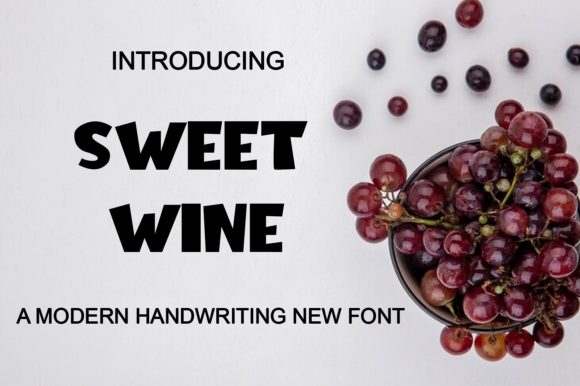
Sweet Wine is a display font that exudes a playful and friendly vibe. Its design features rounded edges, soft curves, and a generally approachable look that makes it perfect for projects aiming to convey warmth, creativity, or lightheartedness. Unlike more formal or structured fonts, Sweet Wine is not meant for body text but rather for headings, titles, and visual elements where a touch of personality is desired.
This font is particularly popular among designers who want to add a personal or whimsical touch to their work. It’s often used in branding, marketing materials, and digital content where a sense of fun and accessibility is important. The name "Sweet Wine" itself suggests a blend of elegance and simplicity, much like the font’s design.
The Purpose and Significance of Sweet Wine
The primary purpose of Sweet Wine is to provide a visually appealing and distinctive typeface that can be used in various creative contexts. While many fonts are designed for readability and professionalism, Sweet Wine takes a different approach by focusing on style and character. This makes it especially useful in scenarios where the visual impact of the text is just as important as the message itself.
One of the key reasons designers choose Sweet Wine is its ability to evoke emotion. The font’s rounded shapes and gentle lines can make text feel more inviting and approachable. This emotional appeal is particularly valuable in branding, where the goal is to create a connection with the audience. For example, a children’s product or a boutique brand might use Sweet Wine to communicate a sense of care and individuality.
Practical Relevance in Modern Life
In today’s fast-paced and visually driven world, the importance of good design cannot be overstated. From social media posts to packaging labels, typography plays a significant role in how information is perceived. Sweet Wine fits into this landscape by offering a font that stands out without being overwhelming. Its casual yet elegant style makes it suitable for both digital and print media.
For instance, in the realm of e-commerce, a well-designed product label or packaging can make a big difference in consumer perception. A business selling handmade goods or artisanal products might use Sweet Wine to reinforce the idea of craftsmanship and uniqueness. Similarly, in the field of education, teachers or educators might use this font in presentations or handouts to make learning materials more engaging and visually interesting.
Where Can You Use Sweet Wine?
The versatility of Sweet Wine means it can be used in a variety of applications. Here are some common examples:
- Logos: Many small businesses or startups use Sweet Wine for their logos to create a memorable and friendly brand identity.
- Headings and Titles: This font works well for blog post titles, article headings, or section headers where a bit of flair is needed.
- T-Shirts and Apparel: Designers often incorporate Sweet Wine into t-shirt graphics to add a playful and personalized touch.
- Signage and Labels: Businesses such as cafes, boutiques, or event organizers may use this font for signs, menus, or product labels.
- Posters and Banners: Sweet Wine is great for eye-catching posters, event banners, or promotional materials that need to grab attention.
- Badges and Awards: It can also be used for creating custom badges, certificates, or awards that require a more creative and unique look.
How Sweet Wine Fits Into Different Industries
While Sweet Wine is most commonly associated with creative industries, its applications extend beyond just design. Here’s how it can be relevant in various fields:
- Marketing and Advertising: In campaigns aimed at younger audiences, Sweet Wine can help create a more relatable and engaging visual style.
- Education: Teachers and educators might use this font in classroom materials or presentations to make learning more interactive and visually appealing.
- Technology and Apps: User interfaces or app icons that aim to be user-friendly and approachable could benefit from the font’s friendly appearance.
- Personal Projects: Hobbyists, artists, and DIY enthusiasts often use Sweet Wine in their personal projects to add a unique and stylish element.
Common Misconceptions About Display Fonts
Despite their usefulness, display fonts like Sweet Wine are sometimes misunderstood. One common misconception is that they are only suitable for decorative purposes and not for professional use. However, this is not entirely true. While display fonts are not typically used for long blocks of text, they can be effective when used strategically in headlines, logos, or other visual elements.
Another misunderstanding is that display fonts lack versatility. In reality, fonts like Sweet Wine can be adapted to fit a wide range of styles and themes. With the right color choices, spacing, and layout, they can be integrated into both modern and traditional designs.
Conclusion
Sweet Wine is more than just a pretty font—it’s a powerful tool for anyone looking to add a touch of creativity and personality to their work. Whether you’re a designer, a business owner, or a hobbyist, this display font offers a unique way to express ideas and connect with audiences. By understanding its purpose, practical uses, and relevance in different industries, you can make the most of this charming and versatile typeface.
As you explore the world of typography, remember that the right font can make all the difference. Sweet Wine is a great example of how a simple choice in typeface can enhance the overall impact of your design. So next time you’re working on a project, consider giving Sweet Wine a try—it might just be the perfect fit for your creative vision.